How Sustainable Path Design Can Help Expand Accessible Outdoor Movement in Local Green Spaces

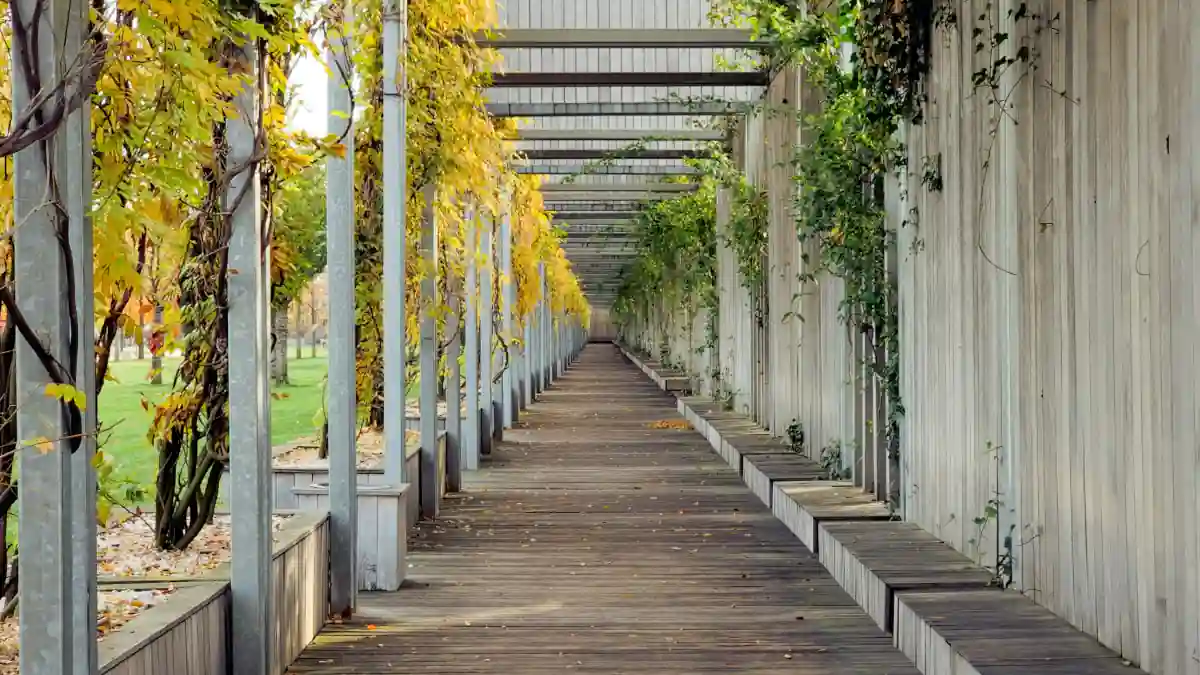 Image by Konstantin Dyadyun / Unsplash
You’ve probably encountered it before—the local trail that was once your morning walk now floods after every rainstorm, or the gravel path by your house has eroded into a bumpy mess that you can’t navigate with a bike, stroller or wheelchair.
While you might assume these are two different problems with different fixes, the same design choices solve both. The path that holds up best against rain and runoff is frequently the same surface that makes paths smoother and safer for everyone. When planners, engineers and community advocates build trails for longevity and environmental resilience, accessibility naturally follows.
The Accessibility Gaps in Local Green Spaces
Public parks and regional greenways are often celebrated as places for all to recharge, exercise and connect with nature. But a closer look at city trails reveals that physical barriers still prevent everyone from accessing them.
Loose gravel, exposed tree roots, washed-out dirt, steep sudden grades and a lack of bench seating make these public amenities less accessible. These features can make it tougher for parents pushing strollers or people with mobility devices, for instance, to walk the trails, turning what’s meant to be a relaxing place into a hazardous obstacle course.
These barriers have consequences across communities. Approximately 28.7% of U.S. adults, or 70 million people, report a functional disability. An estimated 1 in 4 disabled U.S. adults and 1 in 6 disabled children are kept from recreational opportunities due to barriers like stairs and narrow paths.
When paths don’t accommodate different degrees of mobility, they don’t just limit recreation. They keep many people in the neighborhood from everyday health, social interaction and restorative green landscapes.
What Makes a Path Truly Accessible
Bridging the accessibility gap involves foundational engineering standards that ensure public infrastructure accommodates everyone, regardless of ability.
Firm Surfaces and Resting Areas for Safe Navigation
Designing an inclusive trail starts with balancing topographical changes with predictable and stable footing. When surfaces yield under pressure, wheels sink, canes slip, and pedestrians expend unnecessary energy just to stay upright.
To keep recreational paths functional, the U.S. Access Board has established standards requiring that running slopes never exceed a 1:8 ratio and that trail surfaces remain firm and stable under standard foot and wheeled traffic.
When communities implement accessible greenway design principles, they prioritize:
- Nonslip paving.
- Predictable sightlines.
- No surface obstructions.
- Regularly spaced rest intervals.
Shaded resting spaces every few hundred feet also give people with limited stamina, older walkers and families with young children the confidence to venture farther along a trail without worrying about exhaustion.
Permeable Paving for All-Weather Access
Engineers have faced common paving challenges when designing trails. One is the potential for unpaved soil or gravel to be washed away during rainfall, and the other is that asphalt can lead to stormwater runoff, surface puddling, and damage from winter freeze-thaw cycles. All of these challenges can turn into trip hazards, but modern porous materials resolve this tension entirely.
Permeable pavement can reduce runoff, filter pollutants, and reduce road salt and drainage infrastructure needs. Stormwater drains directly through open-graded surfaces into the sub-bases below, filtering contaminants and removing standing water from walkways.
Because permeable surfaces quickly absorb moisture, they can also reduce slick spots, mud puddling and ice. This keeps paths usable for wheelchairs and joggers year-round. It also reduces the need for unsafe drainage ditches alongside paths and corrosive deicing salts.
These climate-resilient surfaces show how low-impact hydrological engineering and universal accessibility can go hand in hand.
Solar-Powered Lighting for Safer Trails
True accessibility also involves making paths safe and inviting outside the standard daylight hours. Many commuters, working parents and students need these multi-use pathways before sunrise or after dusk. However, running the traditional wired lighting through miles of forested or wetland trails isn’t always the most cost-effective or environmentally friendly choice.
That’s where solar-powered trail lighting comes in. These stand-alone fixtures capture solar energy during the day to power LED luminaires at night. They eliminate trenching costs and operate with near-zero ongoing energy expenses in sunny places. Once outfitted with intelligent ambient sensors and motion-dimming controls, modern solar lights can make trails safer and improve visibility for low-vision pedestrians.
The Benefits of Accessible, Sustainable Greenways
When cities invest in environmentally sustainable, accessible infrastructure, the returns go beyond smoother pavement. In Detroit, for instance, the Dequindre Cut demonstrates the power of dual-purpose design. This nearly 2-mile greenway, built along a former railroad line, features a 20-foot-wide paved pathway with dedicated pedestrian and bike lanes, giving wheelchair users, cyclists and pedestrians the dedicated space they need to move safely and comfortably side by side.
The ripple effects of inclusive design touch personal health in fundamental ways. When outdoor trails are cracked or constantly slick and hard to navigate, people who rely on mobility aids are more likely to stay indoors to avoid falls or injuries. Over time, isolation and this loss of independence can contribute to depression, anxiety or other mental health concerns.
Making sure community trails have dependable surfaces, gradual inclines and resting benches helps address this risk, allowing people to move safely outdoors. Research confirms the importance of regular outdoor walking for mental health, alleviating daily stress, regulating mood and encouraging social connectivity.
Whether someone is using a wheelchair along a neighborhood bypass or hiking a trail, climate-smart features help make these mental health benefits available to every member of the public, not just people without mobility limitations.
Building More Inclusive Green Spaces, One Path at a Time
Designing sustainable outdoor spaces is not just important for our planet—it’s a direct investment in accessibility and community well-being. The same techniques that protect paths from erosion, rainfall and degradation are the ones that make paths safer and smoother for everyone, whether that’s permeable porous paving or solar lights.
The next time you stroll through your local park, take a closer look at the surfaces you’re walking on and the grades along each route. Advocate for universal and eco-friendly standards in your city’s park boards, zoning meetings and urban planning sessions. Taking these steps can make a huge difference, turning your neighborhood trails into welcoming corridors where everyone can move forward together.
Read more on:

The Curated Closet: Sustainable Fashion Ideas for the 'Quiet Luxury' Aesthetic
For the past decade, mainstream fashion has been defined by the loud: viral micro-trends, ubiquitous logos, and the relentless, exhausting churn of the algorithmic feed. But a profound cultural correction is currently underway in global style capitals. The urban aesthetic has pivoted decisively toward “quiet luxury”, a philosophy that rejects conspicuous consumption in favor of understated elegance, exceptional craftsmanship, and enduring design.
What’s frequently overlooked in conversations about stealth wealth is that authentic quiet luxury is, by its very nature, inseparable from sustainability. No garment can look, feel, and perform beautifully for a decade without deep respect for both the materials it is made from and the hands that crafted it. At the highest levels of design, sustainability is no longer seen as a trade-off with style; it is the foundation of true premium quality.