How to Conduct a DIY Home Energy Audit: Step-by-Step, Real Metrics & Verified Savings
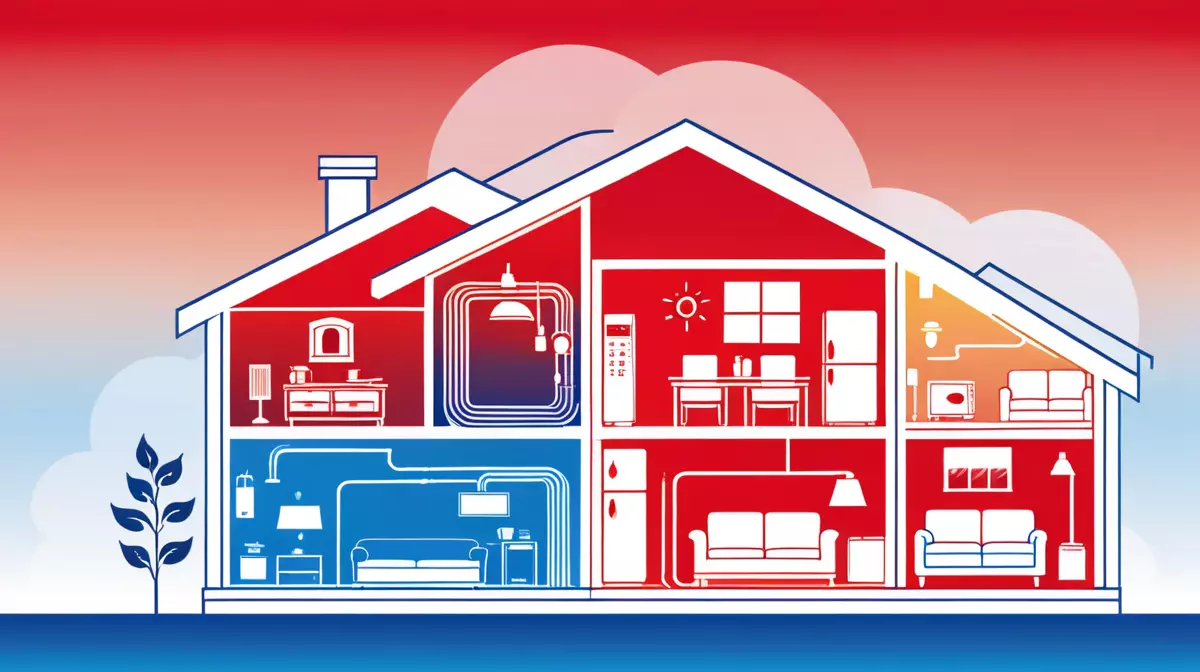
Urban homes rarely waste energy dramatically, they leak it quietly through aging seals, un-optimized HVAC, and invisible standby loads. A DIY energy audit won’t replace a certified blower-door test, but it will capture 60-80% of your building’s actual inefficiencies and give you a clear, data-backed upgrade path. In this guide, we’ll walk through a structured, tool-light process to map your baseline consumption, identify high ROI fixes, and align your upgrades with current US and EU incentive programs. No guesswork. Just measurable savings you can track from day one.
What a DIY Energy Audit Can (and Can’t) Deliver
A DIY home energy audit is a powerful diagnostic tool, but it isn’t a certification. When approached with realistic expectations, a self-guided audit will identify the majority of visible energy drains, help you prioritize upgrades, and establish a usage baseline. However, it won’t replace certified blower door testing, combustion safety analysis, or duct leakage quantification. Understanding where your DIY assessment stops and professional verification begins is the difference between targeted savings and guesswork.
The Realistic Accuracy Gap: DIY vs. Professional Audits
Independent evaluations by the U.S. Department of Energy indicate that while a professional home energy assessment is the most thorough method, a diligent DIY home energy assessment can help you pinpoint some of the easier areas to address, with correcting air leaks alone potentially providing up to 30% in energy savings. The remaining energy loss areas often involve hidden duct leaks, unconditioned attic bypasses, or combustion appliance safety issues that require depressurization testing and calibrated infrared imaging typically performed during a professional assessment.
DIY audits excel at pattern recognition: spotting draft paths, mapping phantom loads, identifying single-pane glazing, and tracking seasonal usage spikes. Professional audits deliver quantified metrics like ACH50 (Air Changes per Hour at 50 Pascals) and CFM75 (Cubic Feet per Minute at 75 Pascals). For most urban homeowners and renters, a DIY approach is highly effective for triage and behavioral optimization, but it should be viewed as a roadmap rather than a compliance document.
Why Urban Homes Need a Different Audit Approach (Shared Walls, Legacy Stock, Tenant Constraints)
Urban housing stock in the US and Europe operates on a different energy equation. Pre-1980 buildings often lack continuous insulation, and multifamily units share party walls, floors, and ceilings. This means heat loss is frequently concentrated at the roof deck, ground slab, windows, and balcony thermal bridges rather than exterior walls. Additionally, the EU Energy Performance of Buildings Directive (EPBD) and varying US municipal codes shape what modifications are legally permissible, especially in rental units or historic districts.
A practical urban audit must be non-invasive. You likely won’t have permission to cut access panels into shared HVAC shafts, seal penetrations in load-bearing masonry, or replace landlord-owned fixtures. Instead, focus on reversible, high ROI interventions: window film or interior storm panels, smart plug load scheduling, door sweeps, exhaust fan backdraft damper checks, and radiator reflector placement. Documenting these constraints upfront prevents wasted time and ensures your recommendations align with actual living conditions.
Setting Expectations: Time Investment, Tool Budget, and Verified ROI Ranges
A thorough DIY audit typically requires 2-4 hours of active inspection plus 1-2 hours of bill analysis and data logging. A functional, non-gimmicky toolkit runs between $50-$300: a plug-in energy monitor, a smartphone compatible thermal adapter, a basic anemometer, draft-sealant samples, and a hygrometer/CO₂ monitor. Avoid overpaying for “all-in-one” audit kits; individual calibrated tools consistently outperform bundled alternatives.
When implemented correctly, DIY guided adjustments (air sealing, thermostat optimization, phantom load reduction, and low-flow fixture upgrades) typically yield 10-25% reduction in baseline energy consumption in residential settings. The payback period for these measures varies depending on local climate zones and utility rate structures (flat vs time-of-use pricing). ROI will vary, but the data is consistent: small, targeted fixes compound quickly, especially when paired with continuous smart meter tracking.
Step 1 - Gather Baseline Energy Data Before You Walk
Walking through a home with a thermal camera or energy monitor before understanding historical consumption is like checking a car’s engine without looking at the mileage or fuel log. Baseline data transforms an energy audit from a visual inspection into a measurable diagnostic process. Without it, you’re optimizing for symptoms rather than root causes. Gathering 12 months of usage history, understanding your rate structure, and accessing granular meter data takes roughly 45-60 minutes, but it dictates every upgrade decision that follows.
Decoding Utility Bills: kWh, Therms, TOU Rates, and Demand Charges Explained
Utility bills are structured to reflect both consumption volume and grid delivery costs. In the US, electricity is billed in kilowatt-hours (kWh) and natural gas in therms or CCF. In Europe, both electricity and gas are typically metered in kWh or cubic meters (m³), with network tariffs, taxes, and energy supply charges itemized separately. The critical detail isn’t the total due, it’s the rate structure behind it.
Flat-rate pricing charges a fixed cost per unit. Time-of-Use (TOU) or dynamic pricing structures rate by hour. According to the U.S. Energy Information Administration (EIA), TOU rates are available to a growing share of U.S. residential customers, with enrollment increasing as more utilities adopt default TOU structures. Many EU markets are following similar patterns under ACER’s retail market monitoring reports. If your bill shows a “peak/off-peak” split, shifting flexible loads (laundry, EV charging, dishwasher) to off-peak windows can reduce costs without changing hardware.
Demand charges, historically limited to commercial accounts, now appear in some US residential plans. They bill you for your highest 15 or 30-minute power draw in a billing cycle. A single simultaneous run of an oven, dryer, and space heater can spike this metric. Spotting it on your statement tells you where load-staggering or smart scheduling will deliver faster savings than insulation alone.
Leveraging Smart Meters & Utility Portals (US Green Button, EU Open Data APIs)
If you have a smart meter, your utility likely records usage at 15-minute or hourly intervals. This granularity is non-negotiable for accurate load profiling. In the US, the Green Button Connect My Data standard enables secure, standardized data downloads directly to energy management apps or spreadsheets. Most investor-owned utilities now support it via their online portals.
In Europe, data access varies by country but is increasingly standardized under EU Open Data and smart meter rollout directives. National distribution system operators (DSOs) like Enedis (France), Snam (Italy), or the UK’s Octopus Energy API offer exportable CSV/JSON files or third-party integrations. Renters and apartment dwellers should verify account access upfront; in some EU municipalities, landlord-held meters restrict direct API access, though sub-metering or plug-level monitors can bypass this limitation.
To extract actionable data: log into your utility portal, select “Historical Usage” or “Interval Data,” and export the longest available range. Look for columns labeled kW, kWh, timestamp, and billing_period. If your utility only provides monthly totals, note the exact start/end dates for weather normalization later.
Building a 12-Month Usage Profile: Seasonal Spikes, Weather Normalization & Anomaly Tracking
A single month’s bill is noise. Twelve months reveal your home’s thermal signature. Plot your monthly kWh and gas/m³ usage on a simple spreadsheet, then overlay local Heating and Cooling Degree Days (HDD/CDD). Degree days quantify how far outdoor temperatures deviate from a comfortable baseline (typically 65°F/18°C). Normalizing usage against HDD/CDD isolates weather-driven consumption from behavioral or equipment inefficiencies.
You can pull free degree-day data from the NOAA National Centers for Environmental Information (US) or Eurostat’s energy database. Divide your monthly energy use by that month’s HDD/CDD to get a normalized baseline. If your normalized heating usage drops steadily after sealing drafts, the intervention worked. If it remains flat despite behavioral changes, you’re likely facing hidden envelope losses or appliance inefficiency.
Watch for anomalies: sudden 20%+ jumps without weather changes often indicate failing HVAC compressors, water heater scaling, or billing errors. Document these spikes in a simple log. This 12-month profile becomes your control group. Every subsequent upgrade, behavioral shift, or smart scheduling rule gets measured against it, turning your audit from a onetime checklist into a continuous optimization loop.
Step 2 - Assemble the Right Tools (Without the Greenwashed Hype)
The DIY energy audit market is saturated with bundled “eco-assessment kits,” AI-powered smart sensors, and subscription-dependent gadgets that promise instant savings. In reality, accuracy comes from purpose-built, calibrated instruments, not marketing. A functional audit requires tools that deliver repeatable, interpretable data within a known margin of error. Focus on standalone devices with transparent specifications, avoid all-in-one bundles that inflate costs by 2-3x, and prioritize calibration over brand aesthetics.
Essential vs. Nice-to-Have: The $50-$300 Tool Stack That Actually Delivers Data
A reliable DIY stack typically falls in the $50-$300 range and can be assembled incrementally. The essentials are:
- Plug load monitor ($15-$40)
- Smartphone thermal adapter ($200-$300, or borrow/rent initially)
- Digital anemometer ($25-$60)
- NDIR-based CO₂ + temperature/humidity monitor ($30-$80)
- Smoke pencil or incense sticks + draft-sealant test strips ($10-$20)
Nice-to-have additions include a moisture meter ($25-$50) for detecting hidden leaks, a professional smoke tester for HVAC duct visualization, and a USB data logger for continuous 72-hour temperature tracking. Skip “smart home audit hubs” that require cloud subscriptions or proprietary apps; raw CSV/JSON export capability is far more valuable for longitudinal tracking. According to Lawrence Berkeley National Laboratory’s field testing guidelines, standalone calibrated tools consistently outperform integrated consumer bundles in measurement repeatability and long-term usability.
Smartphone Thermal Adapters: Calibration Limits, Emissivity Settings & Real-World Use Cases
Plug-in thermal cameras (FLIR One, Seek Thermal, CAT Phone) are powerful for pattern recognition but are frequently misunderstood. These devices measure surface infrared radiation, not insulation performance, air leakage volume, or structural heat loss. Their effective resolution typically ranges from 80×60 to 320×240 pixels, which is sufficient for locating thermal bridging, missing batt insulation, or cold spots around window frames, but not for certifying airtightness.
Emissivity is the critical variable. Most building materials (drywall, wood, brick, paint) emit IR at ~0.90-0.95, which matches default thermal camera settings. However, glass, polished metal, foil-backed insulation, and vinyl siding reflect ambient IR, producing false cold/hot readings. To compensate, apply low-emissivity electrical tape to reflective surfaces before scanning, or adjust the emissivity setting in your app if supported. Always allow the sensor to acclimate to indoor temperatures for 2-3 minutes before capturing baseline images. Move slowly, hold the camera perpendicular to surfaces, and document findings with time-stamped overlays for later cross-referencing with utility data.
Kill-A-Watt Meters, Anemometers & CO/CO₂ Monitors: What the Numbers Actually Mean
Plug load monitors measure real-time voltage, current, wattage, cumulative kWh, and power factor. Accuracy typically sits at ±0.5% for voltage and ±1-2% for watt draw. Use them to quantify standby consumption: many modern electronics draw 3-8W continuously, which compounds to 200-500 kWh annually per device. Note that inductive loads (refrigerators, older motors) may show lower apparent wattage due to power factor; factor this into upgrade ROI calculations.
Digital anemometers measure air velocity in ft/min or m/s. Hold the probe 1-2 inches from supply registers, exhaust grilles, or window gaps to identify weak airflow or unbalanced ventilation. Multiply average velocity by the grille’s open area (in ft²) to estimate CFM: (Velocity × Area) / 100 ≈ CFM. Values below manufacturer specs suggest duct leakage, filter blockage, or fan motor degradation.
CO and CO₂ monitors serve different audit functions. Carbon monoxide (CO) detectors are non-negotiable for gas-fired appliances, unvented heaters, or older urban buildings with shared flues. CO₂ monitors act as a ventilation proxy: outdoor baseline is ~400 ppm, comfortable indoor levels sit at 400-800 ppm, and sustained readings above 1,000 ppm indicate inadequate air exchange. For reliable data, select NDIR (Non-Dispersive Infrared) sensors rather than cheap electrochemical alternatives, which drift rapidly and require frequent recalibration.
Step 3 - The Building Envelope: Walls, Windows, Doors & Attics
The building envelope is your home’s thermal boundary. In urban housing stock, envelope degradation rarely stems from a single catastrophic failure; it accumulates through decades of settling, compromised sealants, and outdated glazing. A systematic DIY assessment targets the three highest-affected leakage pathways: air infiltration, insulation discontinuity, and glazing inefficiency. Document each finding with photos, thermal overlays, and measurable baselines so you can track pre/post-intervention performance.
Identifying Air Leaks: Draft Testing, Incense/Smoke Alternatives & DIY Blower Door Proxies
Air leakage is the silent driver of urban energy waste. In older masonry, timber-framed, and multifamily buildings, gaps around penetrations, window perimeters, and utility chases typically account for 20-30% of heating and cooling loss. Visual inspection alone misses micro-leaks. The most accessible DIY method is the draft test: on a moderately windy day or with HVAC fans running, hold an incense stick, thin tissue, or a battery-operated smoke pencil near baseboards, window frames, electrical outlets, and plumbing penetrations. Steady deflection or visible smoke drift marks active infiltration paths. Cross-reference these spots with your thermal camera and timestamp the findings.
For a more structured approach, create a DIY depressurization proxy. Close all exterior doors and windows, turn on all exhaust fans (bathroom, kitchen, range hood), and place a box fan in a window blowing outward to create negative pressure. This amplifies existing leaks, making them easier to detect with smoke or thermal imaging. While this won’t yield certified ACH50 (air changes per hour at 50 Pascals) metrics, it reliably identifies priority sealing zones. Prioritize sealing with backer rod, acoustic latex sealant, or removable V-strip weatherstripping. Avoid canned expanding foam in historic or masonry walls; it traps moisture, complicates future retrofits, and offers minimal long-term air-sealing performance compared to purpose-made gaskets.
Insulation Depth & R-Value Verification: Probing What’s Hidden in Urban Cavities
Insulation effectiveness depends on continuity and density, not just labeled thickness. Urban walls often feature balloon framing, unreinforced masonry cavities, or blown fills that have settled over decades. You can’t verify installed R-value without destructive access, but you can approximate performance safely. Start by turning off power at the breaker and removing an outlet cover on an exterior wall. Use a flashlight to inspect cavity fill, and gently probe with a thin, non-conductive rod or moisture meter pin to gauge depth and compression. Cross-reference with thermal imaging: consistent cold/hot lines at stud or joist locations indicate missing or compressed insulation, while uniform surface temperatures suggest adequate coverage.
Baseline R-value targets vary by climate. The U.S. DOE’s insulation recommendations and EU EPBD thermal performance tables provide zone-specific minimums. However, real-world performance degrades quickly with improper installation. Fiberglass insulation loses some R-value when compressed. Cellulose can settle approximately 10-20% after installation, which is why proper dense-pack installation is critical. If your DIY probe reveals gaps <2 inches, thermal bridging at wall-ceiling junctions, or moisture staining, targeted professional retrofits like dense-pack cellulose (drill-and-fill) or interior rigid foam panels will significantly outperform superficial DIY top-offs. Document cavity conditions with photos and thermal overlays before sealing or upgrading, and note any landlord or historic-district restrictions that may limit invasive work.
Window & Glazing Efficiency: U-Factor, SHGC, and When Secondary Glazing Beats Replacement
Windows are frequently blamed for energy loss, but full replacement isn’t always the highest ROI or most sustainable choice. Efficiency hinges on two certified metrics: U-factor (rate of heat transfer; lower = better) and Solar Heat Gain Coefficient (SHGC) (fraction of solar radiation admitted; optimal range depends on climate, lower in cooling-dominant zones, higher in heating-dominant zones). In the US, the National Fenestration Rating Council (NFRC) certifies these values. EU products follow EN ISO 10077 standards, with energy labels indicating thermal performance tiers.
Single pane windows typically run U-1.0+, while modern double/triple glazing achieves U-0.30 to U-0.15. In historic districts, rental properties, or buildings with structurally sound original frames, full replacement is often restricted or cost-prohibitive. Secondary glazings interior acrylic or glass storm panels mounted on existing frames delivers significant U-factor improvements at about one-third the cost of full replacement. These systems preserve original architecture, improve acoustic insulation, require no structural modification, and are fully reversible. Pair them with low-E interior film (SHGC-adjustable) or cellular shades for seasonal solar control. According to EPA analysis of Low-E storm panels, interior storm panels achieve payback in 5 years or less. Always verify frame condition first: if sashes are warped, balances are broken, or seals are permanently fogged, prioritize repair or weatherstripping before layering secondary glazing.
Step 4 - HVAC, Ventilation & Electrification Readiness
Heating, cooling, and ventilation systems typically account for 40-60% of urban home energy consumption. Unlike envelope upgrades, HVAC performance degrades gradually through filter restriction, duct leakage, thermostat misconfiguration, and refrigerant loss. A structured diagnostic pass separates maintenance issues from systemic inefficiencies, while electrification readiness mapping ensures future upgrades align with your building’s actual load profile, not marketing claims.
Filter, Duct & Thermostat Diagnostics: Baseline Airflow, Static Pressure & Setpoint Optimization
Start with the simplest failure points. A restricted filter increases fan energy by 5-15% and reduces heat exchange efficiency. Check the MERV rating against manufacturer specs; MERV 8-11 balances filtration and airflow for most residential systems. Replace monthly in dusty urban environments or quarterly in well-sealed homes.
Duct leakage in unconditioned spaces (attics, crawlspaces, or utility chases) commonly runs 20-30% in typical residential duct systems. While professional duct blaster testing measures exact CFM loss, you can map DIY proxies: feel for temperature differentials along exposed duct runs, use your thermal camera at register boots, and check for visible gaps or disconnected flex duct. Seal the leaks and holes you can access using duct sealant (mastic) or metal-backed (foil) tape.
Thermostat optimization is often the fastest ROI fix. The U.S. Department of Energy recommends setpoint adjustments of 7-10°F for 8 hours daily, reducing HVAC load by ~10% annually. In urban homes with TOU utility pricing, program heating/cooling to align with off-peak windows. Smart thermostats with occupancy sensors and adaptive recovery algorithms prevent short-cycling and maintain comfort without manual intervention. For hydronic (radiator/baseboard) systems, zone valves and outdoor reset controllers deliver comparable savings without air duct compromises.
Heat Pump & Electric Boiler Compatibility: Manual J/Lite Load Calculations for Compact Spaces
Electrification is accelerating across the US and EU, driven by IRA 25C tax credits and EU heat pump deployment targets. However, heat pumps and electric boilers perform optimally only when properly sized to your building’s actual thermal load. Over-sizing causes short-cycling, humidity control failure, and reduced COP (Coefficient of Performance). Under-sizing leads to auxiliary heat reliance and comfort loss.
Professional sizing uses ACCA’s Manual J, which factors in orientation, glazing, infiltration, and internal gains. For DIY scoping, a simplified “Manual J-Lite” approach works: calculate your home’s heated/cooled square footage, adjust for climate zone HDD/CDD, and apply a load multiplier based on envelope quality (well-sealed/insulated: 18-22 BTU/ft²; average insulation: 22-28 BTU/ft²; leaky/older: 28-35 BTU/ft²). Multiply by square footage to estimate peak load, then compare against heat pump capacity charts (typically 9,000-36,000 BTU for mini-splits). In compact urban apartments, ductless multi-zone systems or monobloc air-to-water heat pumps often outperform ducted retrofits. Verify electrical panel capacity (typically 200A for full electrification, or 100A with load management) and refrigerant line routing feasibility before purchasing.
Ventilation & Indoor Air Quality: CO₂, VOC & Humidity Benchmarks for Tighter Urban Homes
As air sealing improves, natural infiltration drops, making mechanical ventilation non-negotiable. Stale air traps moisture, CO₂, and volatile organic compounds (VOCs) from furniture, cleaning products, and cooking. The ASHRAE 62.2 standard recommends 0.35 air changes per hour or 7.5 CFM per occupant + 7.5 CFM per 100 ft² as minimum ventilation rates.
Use your CO₂ monitor as a ventilation proxy. Outdoor baseline: ~400 ppm. Comfort zone: 400-800 ppm. Sustained readings >1,000 ppm indicate inadequate fresh air exchange. In tighter urban units, install energy recovery ventilators (ERVs) or heat recovery ventilators (HRVs) to precondition incoming air without sacrificing thermal efficiency. For rentals or historic buildings where ducted ERVs aren’t feasible, window-mounted ventilation units or exhaust-only fans with makeup air vents provide compliant alternatives.
Humidity control directly affects both comfort and efficiency. Target 30-50% relative humidity in heating seasons and 40-60% in cooling seasons. Excess humidity forces HVAC systems to work harder, promotes mold in wall cavities, and degrades indoor air quality. Pair continuous low-flow exhaust fans with hygrometer monitoring, and consider desiccant dehumidifiers in unventilated urban basements or interior bathrooms. The EPA’s IAQ guidance confirms that integrated ventilation + moisture management reduces respiratory triggers by 30-50% in dense housing, while maintaining HVAC efficiency within optimal operating bands.
Step 5 - Appliances, Lighting & Phantom Load Mapping
Thermal envelope and HVAC fixes address structural inefficiency, but plug loads and appliance operation dictate your day-to-day energy signature. In modern urban homes, operational waste is often invisible: always-on networking gear, oversized laundry cycles, and poorly calibrated water heaters compound into significant monthly consumption. Mapping these loads shifts your audit from seasonal adjustments to continuous operational optimization.
Mapping Standby Power: Which Devices Actually Drain 10-20% of Monthly Consumption
The “5-10% standby power” figure is frequently cited but highly context-dependent. In homes built before 2015 or those packed with legacy electronics, gaming consoles, cable boxes, and networked smart displays, phantom loads can contribute meaningfully to baseline consumption, though typical household averages remain in the 5-10% range. In newer stock, EU Ecodesign (ErP) regulations and U.S. ENERGY STAR standby limits cap most idle draw at 0.5-1W per device. However, networked standby (Wi-Fi, cloud sync, voice assistants) pushes modern averages back to 5-10% of residential electricity use.
To map accurately, don’t guess-measure. Use a plug load monitor on high-suspicion devices: routers, modems, set-top boxes, smart speakers, desktop PCs, and “always-on” appliances with digital clocks or displays. Log readings over 24-48 hours. You’ll typically find 3-5 devices responsible for 60% of total standby draw. Network equipment and media centers are the primary culprits; cheap phone chargers draw negligible power (<0.2W) when idle. Prioritize smart plugs with scheduling for non-essential always-on gear, but avoid automating critical devices (fridges, medical equipment, security systems).
Water Heating & Laundry Efficiency: Upgrades That Pay Back in <3 Years (Data-Backed)
Water heating typically consumes 15-18% of residential energy, and laundry accounts for 5-8%. Both offer rapid payback windows when upgraded or optimized correctly.
For water heating, heat pump water heaters (HPWH) operate at two to three times the efficiency of conventional electric resistance units, drawing ambient heat rather than generating it directly. While upfront costs are higher, IRA tax credits and EU heat pump subsidies can significantly reduce payback periods, though typical residential payback ranges from 2-5 years depending on climate and usage. If your building layout prohibits HPWH installation (requires ~450-700 ft³ of air exchange space), lowering tank thermostats to 120°F/49°C, insulating the first 6 feet of hot/cold pipes, and installing low-flow aerators (1.5 GPM) delivers measurable energy reduction with immediate ROI.
Laundry efficiency hinges on water temperature and load sizing. Modern enzymatic detergents clean effectively in cold water, eliminating heating energy entirely since water heating consumes about 90% of the energy it takes to operate a clothes washer. Pair this with ENERGY STAR certified front-loaders, which use about 50% less energy and water than a top load agitator washer, or ENERGY STAR certified clothes washers generally, which use about 20% less energy and about 30% less water than regular washers. If replacing, heat pump dryers can reduce energy use by at least 28% compared to standard dryers, though they require longer cycle times. According to NRDC appliance efficiency analyses, an ENERGY STAR washer saves approximately $60 on utility bills annually compared with a non-ENERGY STAR model, with even greater savings possible when combining cold-wash cycles, high-efficiency washers, and air-drying or heat-pump drying for households washing frequently.
Smart Plugs & AI Dashboards: Automating Data Collection Without Guesswork
Manual logging works for a onetime audit, but continuous optimization requires automated data capture. The 2024-2026 residential energy landscape has shifted toward open-ecosystem monitoring: smart plugs with local CSV export, circuit-level sub-meters (e.g., Emporia Vue, Shelly EM), and home automation platforms that aggregate usage without cloud subscription locks.
Dashboards powered by open-source home energy managers or utility-linked portals let you track baseline vs. post-intervention usage, set TOU-aligned scheduling, and flag anomalies (e.g., a fridge cycling 3x more frequently, indicating seal failure or compressor degradation). Avoid “AI energy apps” that repackage basic kWh charts behind monthly paywalls; true value comes from granular, exportable data you control.
Automation rules should be transparent and safety-compliant: shift dishwasher/laundry cycles to off-peak windows, power down non-essential media gear during sleeping hours, and set humidity-triggered exhaust fan schedules. Monitor results weekly for the first 30 days, then calibrate. When paired with your baseline profile from Step 1, automated tracking turns your audit from a static checklist into a living optimization loop.
Step 6 - Compile, Calculate & Prioritize Your Upgrade Path
An audit generates data; this step converts it into action. Without a structured prioritization framework, it’s easy to overspend on low-ROI replacements while ignoring high-impact, low-cost fixes. Compiling your findings into a savings matrix, cross-referencing them with current incentives, and sequencing upgrades logically ensures every dollar reduces waste rather than guesswork.
The Savings Matrix: Payback Period, ROI %, and CO₂e Reduction per Intervention
Start by building a simple spreadsheet that maps each identified inefficiency to a realistic intervention cost, estimated annual savings, and carbon impact. Use these baseline formulas:
- Payback Period (years) = Total Project Cost ÷ Annual Energy Savings ($)
- ROI (%) = [(Annual Savings − Estimated Maintenance) ÷ Total Cost] × 100
- CO₂e Reduction (tons/year) = Annual kWh/therm Savings × Local Grid Emission Factor
Grid emission factors vary significantly by region. In the US, pull state-specific values from the EPA’s eGRID database. In the EU, use country-level factors from the European Environment Agency’s greenhouse gas emission intensity indicator. For most US/EU urban grids, 1,000 kWh of avoided consumption translates to roughly 0.2-0.5 tCO₂e annually, reflecting average grid emission factors of approximately 200-500 gCO₂e/kWh across these regions.
Realistic urban benchmarks:
- Air sealing + weatherstripping: $200-$600 DIY | Payback: 0.5-2 years | ROI: 50-200% | CO₂e: 0.4-0.8 t/yr
- Smart thermostat + TOU scheduling: $100-$250 | Payback: 1-2 years | ROI: 60-120% | CO₂e: 0.3-0.6 t/yr
- Heat pump water heater: $1,200-$2,500 (post-incentive) | Payback: 2-4 years | ROI: 25-50% | CO₂e: 1.0-2.0 t/yr
- Secondary glazing / interior storm panels: $400-$900/window | Payback: 3-5 years | ROI: 20-33% | CO₂e: 0.5-1.2 t/yr
Document your baseline assumptions (local kWh rate, climate zone, occupancy hours) and update the matrix quarterly. Payback and ROI are living metrics; they shift as grid pricing, incentive structures, and appliance efficiencies evolve.
Mapping US IRA & EU Efficiency Incentives to Your Audit Findings
Incentives dramatically compress payback windows, but they come with strict eligibility criteria. In the US, the Inflation Reduction Act’s 25C Energy Efficient Home Improvement Credit provides a 30% credit (up to $1,200/year) for insulation, air sealing, doors, windows, and thermostats, plus a separate $2,000 annual cap for heat pumps and heat pump water heaters. Point-of-sale rebates through state-administered programs (e.g., HEAR/HER) may cover additional upfront costs for low and moderate income households.
In the EU, national implementations of the Energy Efficiency Directive (EED) and Energy Performance of Buildings Directive (EPBD) drive grant funding, VAT reductions, and low-interest renovation loans. Countries like Germany, France, and Italy offer tiered subsidies tied to pre-renovation Energy Performance Certificates (EPCs), with heat pump grants frequently covering 20-50% of installation costs. Many Distribution System Operators (DSOs) also run seasonal efficiency campaigns that require baseline meter data or certified audit reports for reimbursement.
To maximize returns:
- Verify equipment meets ENERGY STAR (US) or EU Energy Label Class A/A+ requirements.
- Confirm whether professional installation is mandated for rebate eligibility.
- Retain pre/post photos, audit logs, contractor invoices, and efficiency specification sheets.
- Apply for incentives before purchasing; several programs require pre-approval or use approved installer networks.
Incentive landscapes shift annually. Bookmark your national energy ministry portal and utility rebate pages, and set calendar reminders for program renewal dates.
Phasing Your Upgrades: What to Fix First, What to Monitor, and When to Wait
Sequence dictates performance. The universal rule for urban retrofits: envelope first, systems second, technology last. Sealing leaks and improving insulation reduces your building’s thermal load, which directly affects HVAC sizing, runtimes, and electrification feasibility. Installing a heat pump in a leaky, un-insulated space forces oversized equipment, short-cycling, and higher operating costs.
Phase 1 (0-12 months): Low-cost, high-impact fixes Air sealing, weatherstripping, smart plug scheduling, low-flow fixtures, radiator reflectors, and thermostat optimization. These require minimal upfront capital, deliver immediate comfort gains, and establish a stabilized baseline for future upgrades.
Phase 2 (12-36 months): System optimization & electrification prep Duct sealing, ventilation/ERV installation, water heater insulation or HPWH replacement, and electrical panel/load management upgrades. Phase 2 aligns with incentive windows and prepares the building for full decarbonization without grid overloads.
Phase 3 (3-7+ years): Capital replacements & long-term tech Window replacements, solar PV + storage, whole-home sub-metering, and smart HVAC zoning. These carry longer payback horizons and benefit from matured technology, falling hardware costs, and clearer dynamic pricing structures.
When to wait:
- If existing equipment is <50% through its expected lifecycle, retrofit rather than replace.
- If your utility is transitioning to dynamic real-time pricing, monitor 12 months of interval data before sizing batteries or load-shifting systems.
- If rental agreements or historic preservation rules restrict modifications, prioritize reversible, non-invasive upgrades (secondary glazing, smart scheduling, plug-level monitoring) and document baseline efficiency for future lease negotiations or compliance filings.
Upgrade phasing isn’t about doing everything at once; it’s about stacking verified improvements so each phase amplifies the next. Track your post-intervention utility data, update your savings matrix, and let the numbers dictate your next move.
When DIY Isn’t Enough: Verification, Pro Audits & Long-Term Tracking
DIY audits are exceptional for triage, baseline mapping, and behavioral optimization. But building performance isn’t static; it degrades, shifts with weather patterns, and interacts with grid pricing changes. Knowing when to step back and call a certified professional protects your safety, ensures code compliance, and prevents costly missteps. Pairing professional verification with continuous tracking turns onetime fixes into lasting, measurable efficiencies.
Red Flags That Require a Certified Professional (Combustion Safety, Blower Door Validation, Grid Interconnect)
DIY tools can’t replace calibrated safety testing or pressure-quantified diagnostics. If your home contains gas-fired furnaces, water heaters, fireplaces, unvented combustion appliances, or shared masonry flues, professional evaluation is non-negotiable. Backdrafting, cracked heat exchangers, or improper vent sizing can silently introduce carbon monoxide into living spaces. Certified auditors use calibrated CO analyzers and combustion efficiency testers per ANSI/BPI standards and ACCA Quality Standards to verify safe draft pressure, complete combustion, and flue gas temperature, as recommended by the EPA for annual professional inspection of fuel-burning appliances.
Blower door testing is another hard boundary for DIY. While smoke pencils identify leak locations, only a calibrated blower door can quantify infiltration as ACH50 (air changes per hour at 50 Pascals) or CFM50, which is required for RESNET HERS rating verification and many EU Energy Performance Certificate (EPC) compliance pathways. Professionals also perform pressure-pan testing to isolate duct leakage in unconditioned spaces-a metric DIY airflow checks can only estimate.
Finally, any upgrade involving main electrical panel upgrades, circuit rewiring, or grid-interactive solar/battery interconnect requires licensed electricians and utility approval. Attempting DIY load management, main lug modifications, or grid-tie inverter installation violates NEC Article 408 (US) and IEC 60364 standards (EU), voids insurance, and creates serious fire hazards. When combustion safety, quantified airtightness, or main electrical work is on the table, hire a BPI-certified or RESNET-accredited auditor for validation.
Attempting DIY load management, main lug modifications, or grid-tie inverter installation violates
Post-Audit Monitoring: Smart Thermostats, Circuit Sub-metering & Continuous Optimization
Implementing fixes is only half the equation; verifying sustained performance requires ongoing monitoring. Modern smart thermostats with remote occupancy sensors, humidity compensation, and adaptive learning algorithms reduce HVAC runtime by 8-15% while maintaining comfort bands. Pair these with utility-integrated demand response programs (e.g., OpenADR-enabled thermostats) to automatically shift load during peak pricing events without sacrificing temperature targets or requiring manual overrides.
For granular tracking, circuit-level sub-meters (Emporia Vue, Shelly EM, or utility-grade smart panels) break down consumption by branch circuit. This reveals hidden drains: a failing refrigerator compressor, an aging sump pump, or phantom draw from unmanaged network gear. Baseline sub-meter data against your pre-audit profile to calculate verified savings. If consumption drifts upward after initial improvements, investigate seal degradation, filter blockage, or thermostat schedule conflicts before assuming hardware failure. Continuous optimization means treating your home as a living system, not a onetime project.
Building a Home Energy Log: Templates, API Sync & Annual Re-Audit Best Practices
Long-term efficiency requires structured data retention. Export interval usage monthly via Green Button, your utility’s API, and log it in a standardized spreadsheet or open-source platform like Home Assistant’s Energy Dashboard.
Schedule an annual re-audit every 12 months, ideally during shoulder seasons (spring/fall) when HVAC systems are idle and thermal differentials are stable. Re-run draft tests, verify thermostat schedules, update your savings matrix, and cross-reference with the latest incentive programs. Over 3-5 years, this longitudinal log becomes your most valuable asset: it validates ROI, supports resale/appraisal claims, and provides certified auditors with a complete performance history for targeted, high-precision interventions. Efficiency isn’t achieved once, it’s maintained.
Final Checklist & Verified Resource Directory
A DIY energy audit only delivers value when findings are documented, verified, and tracked over time. Use this streamlined checklist to standardize your process, access authoritative cross-Atlantic resources, and contribute to community efficiency benchmarking without compromising privacy.
Printable DIY Audit Checklist (Room-by-Room & System-Wide)
Print or save this checklist digitally to maintain consistent inspection standards. Check each item, log measurable data, and timestamp findings for pre/post comparison.
Room-by-Room
- Windows & Doors: Check weatherstripping integrity, record frame gaps, verify secondary glazing/seal condition
- Walls & Ceilings: Scan for thermal bridging, note visible insulation gaps, mark draft paths with smoke pencil
- Flooring & Baseboards: Inspect perimeter sealing, check subfloor/crawlspace access points, record moisture readings
- Bathrooms & Kitchen: Verify exhaust fan airflow (CFM), test backdraft dampers, log hot water line temperature
- Bedrooms & Living Areas: Map plug load schedules, verify smart thermostat placement (away from heat/cool sources), note occupancy hours
System-Wide
- HVAC & Ventilation: Log filter MERV rating, check register airflow variance, record CO₂ baseline (400-800 ppm target)
- Electrical & Appliances: Measure standby draw per circuit, identify peak TOU loads, verify panel capacity for future electrification
- Water Heating: Record setpoint temperature (120°F/49°C optimal), insulate first 6 ft of pipes, check anode rod age if accessible
- Data Logging: Export 12-month utility interval data, normalize against local HDD/CDD, save baseline spreadsheet
How to Share Your Data: Community Benchmarks & Open-Source Energy Tracking Platforms
Anonymized energy data accelerates urban efficiency research, but privacy must be preserved. Strip street addresses, unit numbers, and identifiable usage patterns before exporting. Aggregate your data to monthly kWh/therm totals or normalized degree-day ratios.
Open-source platforms enable secure, transparent tracking without vendor lock-in:
- OpenEnergyMonitor offers DIY hardware schematics, local CSV logging, and community benchmark datasets.
- Home Assistant Energy Dashboard integrates smart meters, sub-meters, and TOU tariffs into a unified, locally hosted interface.
- WattTime maps grid carbon intensity in real time, allowing you to align high-load activities with low-emission windows.
Contribute to public efficiency studies through opt-in programs like Open Energy Data Initiative or municipal open-data portals such as data.gov, and the EU Open Data Portal. When aggregated responsibly, your audit metrics help refine rebate eligibility models, validate urban retrofit ROI, and build transparent, data-backed sustainability standards across US and EU housing markets. Efficiency compounds when it’s measured, shared, and continuously improved.
Read more on:

The Right-to-Repair Movement Is Here: How Keeping Your Stuff Longer Cuts Waste (and Saves Money)
You know the drill. Your phone screen cracks on a rainy Tuesday commute. The washing machine starts sounding like a jet engine. Or maybe it’s just that favorite jacket with a torn seam you’ve been meaning to fix for months. In the past, the default answer was usually the same: toss it, swipe your card, and wait for a replacement to arrive. But lately? That reflex is starting to feel… outdated.

The Truth About eco AI: Verified Metrics for Mindful Tech Use
You use AI daily, but have you wondered what that actually costs the planet? Beyond the “invisible cloud”, every query draws real energy, real water, and real infrastructure. This article cuts through the noise with verified 2024-2026 data on AI’s hidden footprint, then gives you pragmatic, low-stress habits to use these tools without the eco-guilt. No perfectionism. No preachiness. Just transparent metrics, relevant context, and actionable steps that fit your routine. Let’s align your digital habits with the sustainable future you’re already building.